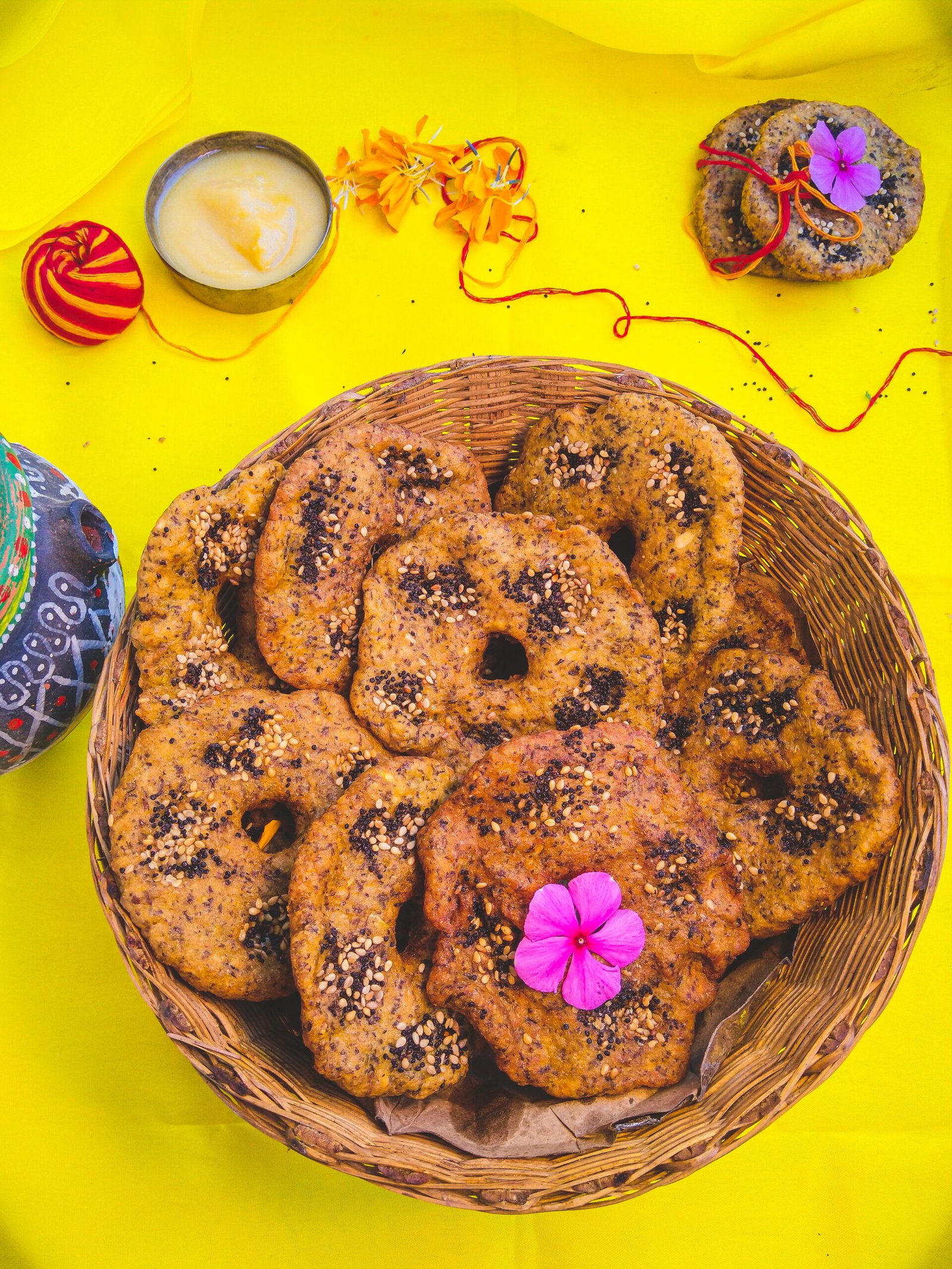
Daal Pakode (Pahadi Style) are a delicious and comforting snack from the mountain regions of India. Known for their crispy texture and rich taste, these pakode are made using soaked lentils, simple spices, and traditional cooking methods. In the hills, food is often prepared with minimal ingredients, yet the flavours are always satisfying and wholesome.
Especially popular in Uttarakhand and nearby Himalayan regions, these pakode are a favourite during cold evenings and rainy days. Paired with a hot cup of tea, they create a comforting experience that brings people together. In this detailed guide, you will learn everything about Daal Pakode (Pahadi Style), including ingredients, preparation steps, tips, variations, and health benefits.
What Makes Daal Pakode (Pahadi Style) Unique
Daal Pakode (Pahadi Style) stand out from regular pakoras due to their ingredients and preparation method.
Made with Lentils Instead of Besan
Unlike typical pakoras that use gram flour, these pakode are made from soaked and ground lentils such as urad dal or bhatt dal. This gives them:
- A richer taste
- A denser and crispier texture
- Higher nutritional value
Coarse Batter for Better Texture
The batter used in Pahadi pakode is slightly coarse rather than smooth. This helps create a crispy outer layer while keeping the inside soft.
Mild and Balanced Spices
Pahadi cuisine is known for its subtle flavours. Instead of overpowering spices, these pakode use simple ingredients that enhance the natural taste of the lentils.
Ingredients Required
The beauty of this recipe lies in its simplicity. You can easily find all the ingredients in your kitchen.
Main Ingredients
- 1 cup urad dal or bhatt dal
- 1 to 2 green chillies
- 1 inch ginger piece
- Salt to taste
Spices and Flavouring
- 1/2 teaspoon cumin seeds
- A pinch of asafoetida (hing)
- Fresh coriander leaves
For Cooking
- Oil for deep frying
- Water as required
These ingredients come together to create a snack that is both delicious and nutritious.
Preparation Before Cooking
Proper preparation is key to achieving the perfect texture and flavour.
Soaking the Dal
Wash the dal thoroughly and soak it in water for 5 to 6 hours or overnight. This step is important because:
- It softens the lentils
- Makes grinding easier
- Improves digestibility
Grinding the Batter
After soaking, drain the excess water and grind the dal into a coarse paste. Avoid adding too much water, as the batter should remain thick.
Mixing the Ingredients
Add the following to the batter:
- Chopped green chillies
- Grated ginger
- Salt
- Cumin seeds
- Hing
- Chopped coriander leaves
Mix everything well to ensure even flavour.
Step by Step Recipe for Daal Pakode
Follow these simple steps to prepare authentic Pahadi style pakode at home.
Step 1: Heat the Oil
Take a deep frying pan and heat oil on medium flame. Maintaining the right temperature is important for crispy pakode.
Step 2: Shape the Pakode
Take small portions of the batter using your fingers or a spoon and gently drop them into the hot oil.
Step 3: Fry Until Golden Brown
Fry the pakode on medium heat until they turn golden brown and crispy. Stir occasionally to ensure even cooking.
Step 4: Remove Excess Oil
Once cooked, remove the pakode and place them on a paper towel to absorb extra oil.
Step 5: Serve Hot
Serve immediately for the best taste and texture.
Tips to Make Perfect Daal Pakode
To get authentic Pahadi style pakode, keep these tips in mind.
Use Coarse Batter
A slightly coarse batter gives the pakode their signature crispiness.
Avoid Excess Water
Too much water can make the batter thin, causing the pakode to lose shape while frying.
Maintain Medium Heat
Cooking on medium heat ensures that the pakode are evenly cooked inside and out.
Add Hing for Better Digestion
Hing enhances flavour and helps make the pakode easier to digest.
Use Fresh Ingredients
Fresh ginger, chillies, and coriander improve both taste and aroma.
Variations You Can Try
Daal Pakode can be customised based on your preferences.
Mixed Dal Pakode
Combine urad dal with moong dal for a lighter and softer texture.
Onion Pakode
Add finely chopped onions to the batter for extra flavour and crunch.
Leafy Vegetable Version
Mix in spinach or fenugreek leaves to increase nutritional value.
Spicy Version
Increase green chillies or add red chilli powder for a spicier taste.
Healthier Options
- Shallow frying instead of deep frying
- Air frying for reduced oil usage
These variations allow you to experiment while maintaining the traditional essence.
Serving Suggestions
Daal Pakode (Pahadi Style) taste best when served hot and fresh.
Traditional Pairings
- Green chutney made from coriander and mint
- Tamarind chutney for a sweet and tangy flavour
Perfect Beverage
A hot cup of tea is the most popular pairing, especially during:
- Rainy weather
- Winter evenings
Serving Occasions
- Evening snacks
- Family gatherings
- Small celebrations
Their versatility makes them suitable for many occasions.
Cultural Significance of Daal Pakode
Daal Pakode are more than just a snack in pahadi regions.
A Part of Everyday Life
In the hills, these pakode are commonly prepared at home and enjoyed with family.
Street Food Culture
They are also sold by local vendors in small towns and markets, where people gather to enjoy freshly fried snacks.
A Tradition Passed Down
The recipe has been shared across generations, preserving the simplicity and authenticity of pahadi cuisine.
Health Benefits of Daal Pakode
While fried snacks should be eaten in moderation, Daal Pakode offer several nutritional benefits.
Rich in Protein
Lentils are an excellent source of plant based protein, supporting muscle health and energy.
High in Fibre
They help improve digestion and keep you full for longer.
Natural Ingredients
The use of simple spices and fresh herbs makes them a healthier option compared to processed snacks.
Balanced Nutrition
When combined with chutneys and served in moderation, they can be part of a balanced diet.
Why Daal Pakode are Perfect for Evenings
Daal Pakode are an ideal snack for evenings because they are:
- Warm and comforting
- Easy to prepare after soaking the dal
- Filling yet not too heavy
Their crispy texture and rich flavour make them especially enjoyable during cooler weather.
Bringing Pahadi Flavours to Your Home
Cooking Daal Pakode (Pahadi Style) at home allows you to experience the authentic taste of the hills.
Simple Cooking, Rich Taste
This recipe proves that you do not need complex ingredients to create something delicious.
A Connection to Tradition
Preparing traditional dishes helps preserve cultural heritage and keeps old recipes alive.
Perfect for Beginners
Even if you are new to cooking, this recipe is easy to follow and gives satisfying results.
Why You Should Try This Recipe
If you enjoy homemade snacks with authentic flavours, this recipe is worth trying.
Easy and Budget Friendly
All ingredients are affordable and easily available.
Customisable
You can adjust spices and ingredients according to your taste.
Suitable for All Ages
The mild flavour makes it enjoyable for both children and adults.
A Unique Snack Experience
It offers a different taste compared to regular pakoras and modern snacks.
Conclusion
Daal Pakode (Pahadi Style) are a perfect blend of simplicity, taste, and tradition. Made with soaked lentils and basic spices, these pakode are crispy on the outside and soft on the inside, offering a satisfying snack experience.
Their ease of preparation and rich flavour make them an excellent choice for evening snacks, family gatherings, or even special occasions. By trying this recipe, you can bring the authentic taste of the hills into your home.
Prepare these delicious pakode, serve them hot with chutney and tea, and enjoy a comforting and flavourful moment with your loved ones.
Leave a Reply