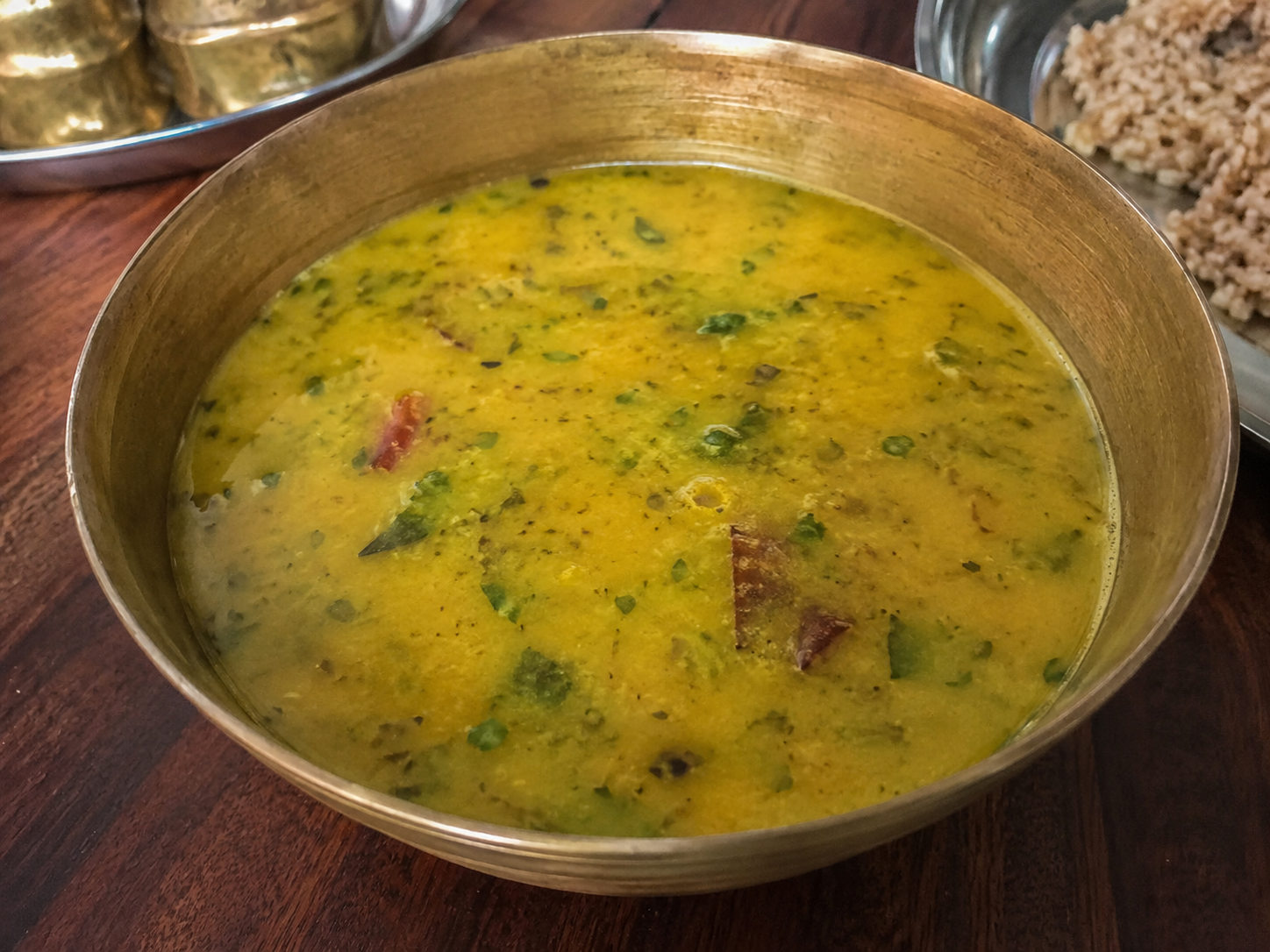
Thichwani is a traditional dish from the Garhwal region of Uttarakhand, known for its simple ingredients and rich, comforting flavours. This wholesome recipe reflects the essence of mountain cuisine, where food is prepared with locally available produce and minimal spices. Thichwani is especially loved for its rustic texture and nutritious value, making it a perfect dish for those who enjoy authentic regional cooking.
In this guide, you will learn how to make Thichwani at home with easy steps, along with tips to get the perfect taste and texture.
What Is Thichwani?
Thichwani is a semi-thick curry made primarily from crushed root vegetables like radish or potatoes. The vegetables are not finely chopped but lightly crushed, which gives the dish its signature texture. It is cooked with simple spices and often garnished with fresh coriander leaves.
Traditionally, Thichwani is enjoyed with steamed rice or mandua (finger millet) roti, making it a filling and balanced meal.
Ingredients Required for Thichwani
To prepare Thichwani at home, you will need the following ingredients:
- 2 medium potatoes or 2 radishes
- 1 medium onion, finely chopped
- 2 tomatoes, finely chopped
- 2 to 3 garlic cloves, crushed
- 1 green chilli, chopped
- 1 teaspoon cumin seeds
- 1 teaspoon turmeric powder
- 1 teaspoon coriander powder
- Salt to taste
- 2 tablespoons mustard oil
- Fresh coriander leaves for garnish
- Water as required
These ingredients are easily available in most kitchens, which makes Thichwani an accessible and budget-friendly dish.
Step-by-Step Recipe to Make Thichwani
Step 1: Prepare the Vegetables
Wash and peel the potatoes or radish. Instead of cutting them into cubes, lightly crush them using a mortar and pestle or by pressing them with a rolling pin. This step is important as it gives Thichwani its unique texture.
Step 2: Heat the Oil
Take a pan and heat mustard oil until it reaches its smoking point. This helps reduce the strong aroma of the oil and enhances the overall flavour of the dish.
Step 3: Add Cumin Seeds
Add cumin seeds to the hot oil and let them splutter. This will release a nutty aroma and form the base of the dish.
Step 4: Sauté Onion and Garlic
Add chopped onions and crushed garlic to the pan. Cook them until the onions turn golden brown. This step adds depth and richness to the curry.
Step 5: Add Tomatoes and Spices
Now add chopped tomatoes, turmeric powder, and coriander powder. Cook the mixture until the tomatoes become soft and the oil starts separating from the masala.
Step 6: Add Crushed Vegetables
Add the crushed potatoes or radish to the pan. Mix everything well so that the vegetables are coated with the spices.
Step 7: Add Water and Cook
Pour enough water to achieve a semi-thick consistency. Cover the pan and let it cook on medium heat until the vegetables are tender and the flavours blend well.
Step 8: Final Touch
Add salt according to taste and mix well. Garnish with freshly chopped coriander leaves before serving.
Tips to Make Perfect Thichwani
To enhance the taste of your Thichwani, keep these tips in mind:
- Always use freshly crushed vegetables for the best texture
- Mustard oil gives an authentic flavour, so avoid substituting it if possible
- Do not overcook the vegetables, as they should retain a slightly coarse texture
- Adjust the spice level according to your preference
- Let the dish rest for a few minutes before serving to allow the flavours to settle
Variations of Thichwani
Although potatoes and radish are the most common ingredients, Thichwani can be prepared in different ways:
- Radish Thichwani: Has a slightly sharp and earthy flavour
- Potato Thichwani: Milder and more comforting in taste
- Mixed Vegetable Thichwani: A modern variation that includes seasonal vegetables
Each variation brings a unique taste while maintaining the traditional essence of the dish.
Health Benefits of Thichwani
Thichwani is not just delicious but also nutritious. It is made with simple ingredients that offer several health benefits:
- Rich in fibre, especially when made with radish
- Contains essential vitamins and minerals
- Low in fat when prepared with minimal oil
- Easy to digest and suitable for all age groups
This makes Thichwani a great addition to a balanced diet.
Best Ways to Serve Thichwani
Thichwani is best enjoyed hot and fresh. Here are some popular serving options:
- With steamed rice for a comforting meal
- With chapati or mandua roti for a traditional experience
- Alongside a simple salad or chutney for added flavour
The simplicity of the dish allows it to pair well with various accompaniments.
Why You Should Try Making Thichwani at Home
Making Thichwani at home is a great way to explore traditional Indian cuisine. It does not require complex cooking techniques or expensive ingredients. The recipe is beginner-friendly and can be prepared in a short time.
Cooking Thichwani also gives you a chance to connect with regional food traditions and experience the authentic taste of the Himalayan region.
Common Mistakes to Avoid
While preparing Thichwani, avoid these common mistakes:
- Cutting vegetables into cubes instead of crushing them
- Using too much water, which can dilute the flavour
- Skipping mustard oil, which affects authenticity
- Overcooking the dish until it becomes too mushy
Paying attention to these details will help you achieve the perfect result.
Conclusion
Thichwani is a simple yet flavourful dish that captures the essence of Garhwali cuisine. With its unique texture and comforting taste, it is a must-try recipe for anyone who loves traditional food. By following this step-by-step guide, you can easily prepare Thichwani at home and enjoy a wholesome, homemade meal.
Whether you are exploring regional dishes or looking for a healthy and easy recipe, Thichwani is a wonderful choice that brings both taste and nutrition to your table.
Leave a Reply