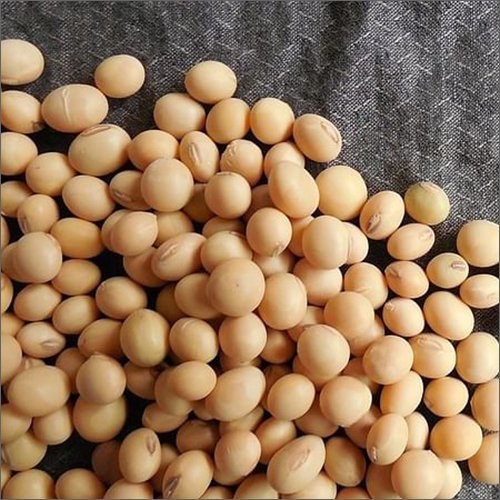
Bhatt is a traditional ingredient that holds a special place in the cuisine of Uttarakhand and other hill regions of India. Known as black soybean, bhatt has been a staple in Pahadi households for generations. Its rich taste, high nutritional value, and versatility make it an essential part of everyday cooking in the hills.
In recent years, as people have become more interested in traditional and healthy foods, Bhatt has gained wider recognition beyond its native regions. With the growing demand for organic and nutrient-rich ingredients, bhatt is now being rediscovered by a wider audience. In this blog, we will explore why bhatt is so popular in Pahadi cuisine and what makes it such a valued ingredient.
What Is Bhatt?
Origin and Definition
Bhatt refers to a variety of black soybeans that are commonly grown in the mountainous areas of Uttarakhand. It is well-suited to the climate and soil conditions of the region, making it an important crop for local farmers.
In the hilly terrain, farming is often challenging due to uneven land and unpredictable weather. Bhatt adapts well to these conditions, which is why it has been cultivated for generations.
Appearance and Storage
The beans are small, dark in colour, and have a slightly earthy flavour. They are typically dried and stored for long periods, allowing households to use them throughout the year.
This ability to store bhatt for months without spoilage makes it extremely practical for hill communities, especially during harsh winters when fresh produce may not be easily available.
A Staple in Pahadi Households
Everyday Importance
One of the main reasons for the popularity of bhatt is its role as a staple food. In the hills, where access to a wide variety of ingredients may be limited, bhatt provides a reliable source of nutrition.
It is often included in regular meals because it is affordable, filling, and easy to cook with minimal ingredients.
Traditional Dishes
It is commonly used to prepare simple yet satisfying dishes such as bhatt ki dal and bhatt ke dubke. These dishes are not only filling but also easy to prepare, making them ideal for daily meals.
Bhatt ki dal is usually served with rice or roti, while bhatt ke dubke is a thicker, gravy-based dish that is especially popular during colder months.
Cultural Presence
For many families, bhatt is more than just food. It is a part of their daily routine and cultural identity. It represents the flavours of home and the simplicity of traditional living.
Rich Nutritional Value
High Protein Content
Bhatt is highly valued for its impressive nutritional profile. It is rich in protein, making it an excellent choice for vegetarian diets.
In regions where meat consumption is limited, bhatt plays a crucial role in fulfilling protein requirements.
Essential Nutrients
It is also high in dietary fibre, which supports digestion and helps maintain a healthy gut. In addition, bhatt contains important minerals such as iron, calcium, and magnesium.
These nutrients help improve immunity, strengthen bones, and support overall health.
Balanced Diet
This combination of nutrients makes bhatt a wholesome and balanced food. Regular consumption can contribute to long-term health and well-being.
Perfect for Cold Weather
Warming Properties
The climate of the hill regions can be quite cold, especially during winter. Bhatt is known for its warming properties, making it ideal for such conditions.
Comfort Food
Dishes made with bhatt are hearty and comforting, helping to keep the body warm and energised. This is why bhatt is often included in winter meals in Pahadi households.
Unique Taste and Flavour
Distinct Earthy Taste
Bhatt has a distinctive earthy flavour that sets it apart from other legumes. This unique taste is one of the reasons why it is so loved.
Enhances Traditional Dishes
When cooked, it develops a rich and slightly smoky taste that adds depth and character to meals. It blends well with traditional spices, enhancing the overall flavour of the dish.
Traditional Cooking Methods
Simple Preparation Techniques
Traditional cooking methods involve slow cooking and minimal spices, allowing the natural flavour of bhatt to stand out.
Cooking bhatt slowly helps soften the beans and enhances their taste, making the dish more flavourful.
Popular Recipes
Dishes like bhatt ki dal and bhatt ke dubke highlight these cooking styles and preserve authenticity. These recipes have been followed for generations without major changes.
Strong Cultural Connection
Role in Traditions
Bhatt is deeply connected to the culture of Uttarakhand and is often prepared during festivals and special occasions.
It is served to guests as a symbol of hospitality and respect.
Emotional Value
These dishes bring back memories of home, family, and childhood. For many people living away from the hills, bhatt represents a strong emotional connection to their roots.
Sustainable and Local Ingredient
Eco-Friendly Crop
Bhatt is a locally grown crop that requires fewer resources, making it environmentally sustainable.
Supporting Local Farmers
Using bhatt promotes self-sufficiency and supports traditional farming practices in hill regions. It encourages the use of local produce instead of imported food items.
Versatility in Cooking
Multiple Uses
Bhatt can be used in a variety of dishes, from traditional recipes to modern meals like soups, salads, and snacks.
Adaptability
Its ability to absorb flavours makes it suitable for different cuisines and cooking styles. This flexibility ensures that Bhatt remains relevant even in modern kitchens.
Growing Popularity Beyond the Hills
Rising Health Awareness
As people become more health-conscious, traditional ingredients like bhatt are gaining popularity. Its high nutritional value makes it a preferred choice among health enthusiasts.
Modern Culinary Use
Chefs and food bloggers are experimenting with bhatt in creative ways, introducing it to a wider audience. This has helped bring regional cuisine into the mainstream.
Easy to Include in Daily Meals
Simple Cooking Tips
Adding bhatt to your diet is easy. Soaking the beans before cooking improves texture and reduces cooking time.
Beginner Friendly
You can start with simple dishes like dal and gradually explore more recipes. With regular use, Bhatt can become a staple in your kitchen as well.
Conclusion
Bhatt is popular in Pahadi cuisine for many reasons, including its rich nutritional value, unique taste, and deep cultural significance. It has been a trusted ingredient in hill households for generations, providing both nourishment and comfort.
Its sustainability, versatility, and strong connection to tradition make it a valuable food choice even today. As more people discover the benefits of traditional ingredients, Bhatt continues to gain recognition beyond its native regions.
By including bhatt in your diet, you can enjoy a wholesome and flavourful ingredient while also connecting with a rich culinary heritage. It is a perfect example of how simple, local foods can offer both taste and health in every meal.
Leave a Reply