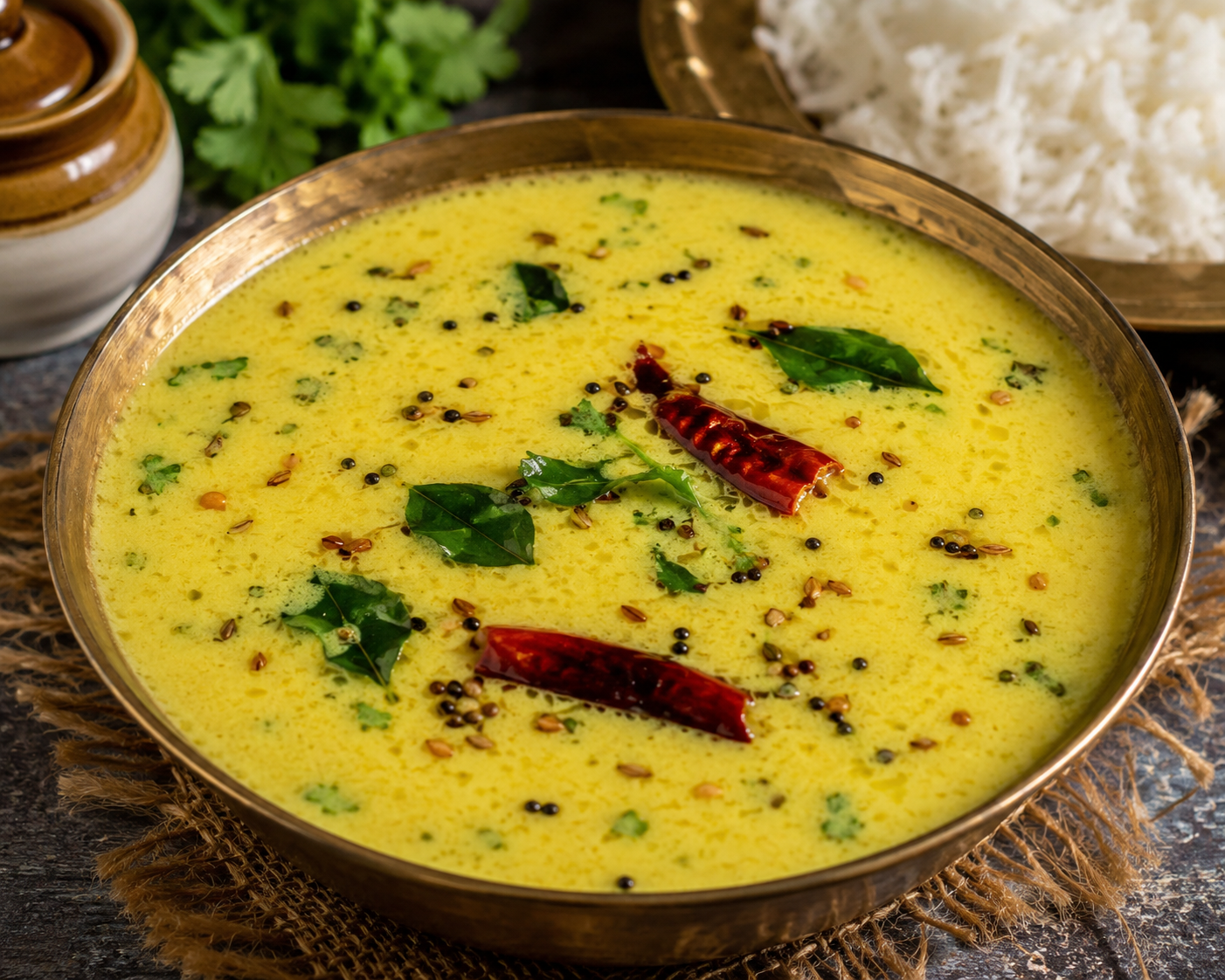
The food culture of Uttarakhand is deeply connected with nature, traditions, and family values. Among the many traditional dishes enjoyed in the hills, jholi holds a special place in every household. This comforting and flavourful dish has been prepared for generations and continues to be loved by families across the region. Whether served during daily meals or special gatherings, jholi reflects the warmth of Pahadi culture and home cooking.
In the villages and towns of Uttarakhand, jholi is more than just food. It represents togetherness, simplicity, and the rich culinary heritage of the mountains. Made with curd and gram flour along with traditional spices, this dish is known for its tangy taste and smooth texture. It is usually served with steamed rice, making it a wholesome and satisfying meal.
The Origin of Jholi in Uttarakhand
Jholi has been part of Uttarakhand’s traditional cuisine for centuries. The mountainous lifestyle influenced the type of food people prepared in their homes. Families often cooked dishes using locally available ingredients that were nutritious and easy to prepare. Since curd and gram flour were commonly found in village kitchens, jholi became a popular everyday meal.
In the Kumaon and Garhwal regions, people developed unique cooking styles based on climate and agricultural practices. Jholi became especially important because it provided warmth and comfort during cold weather. Over time, every household created its own version of the recipe, adding different spices and techniques while maintaining the original flavour.
Today, jholi remains an important part of Uttarakhand’s food identity. Even people who move to cities continue to prepare to stay connected to their roots and traditions.
What Makes Jholi Special?
The uniqueness of jholi lies in its simplicity. Unlike many modern dishes that require complex ingredients and methods, jholi is made with basic kitchen ingredients. Despite its simplicity, it delivers rich flavour and comfort.
Traditional Ingredients Used in Jholi
The ingredients used in jholi are natural and easily available. Some of the main ingredients include:
- Curd
- Gram flour or besan
- Turmeric
- Coriander powder
- Garlic
- Green chillies
- Mustard seeds
- Fenugreek seeds
- Curry leaves
- Salt
- Water
These ingredients are combined carefully to create a smooth and flavourful curry-like dish.
The Tangy and Comforting Taste
One of the reasons people love jholi is its mildly sour and spicy taste. The curd gives the dish a refreshing tanginess, while the spices add warmth and aroma. When eaten with rice, the flavours blend beautifully and create a comforting meal that feels homemade and satisfying.
How Jholi Is Traditionally Prepared
Traditional cooking methods play an important role in the taste of jholi. In many villages, the dish is prepared slowly over a wood fire, which enhances its flavour.
Step 1: Preparing the Curd Mixture
Fresh curd is mixed with gram flour and water until the mixture becomes smooth. This step is important because lumps can affect the texture of the dish.
Step 2: Adding Traditional Spices
Spices such as turmeric, coriander powder, and salt are added to the mixture. Some families also include garlic and green chillies for extra flavour.
Step 3: Cooking the Mixture
The prepared mixture is cooked slowly in a pan while continuously stirring. Slow cooking helps the flavours blend properly and prevents the curd from separating.
Step 4: Preparing the Tadka
A traditional tadka or tempering is prepared separately using mustard seeds, fenugreek seeds, dry red chillies, curry leaves, and oil or ghee. This hot tempering is poured over the cooked jholi, giving it a rich aroma and authentic taste.
Step 5: Serving Hot with Rice
Jholi is usually served hot with steamed rice. Some families also enjoy it with mandua roti or local bread varieties.
Why Jholi Is Considered a Family Dish
In Uttarakhand, food is closely connected with emotions and relationships. Jholi is often called a family dish because it is commonly prepared for shared meals at home.
A Meal That Brings Families Together
In many Pahadi homes, families gather around to enjoy jholi and rice together. The simplicity of the dish makes it suitable for all age groups, from children to elders.
Passed Down Through Generations
Recipes for jholi are usually taught by mothers and grandmothers. Young family members learn the cooking process while helping in the kitchen. This tradition helps preserve the authentic flavour and cultural importance of the dish.
A Symbol of Home and Comfort
For many people from Uttarakhand, the taste of jholi reminds them of childhood memories, village homes, and family gatherings. It carries emotional value that goes beyond its ingredients.
Nutritional Benefits of Jholi
Apart from being delicious, jholi is also considered healthy and nutritious.
Rich in Protein
Gram flour provides plant-based protein, making the dish filling and energising.
Good for Digestion
Curd contains probiotics that support healthy digestion. The spices used in jholi also help improve metabolism.
Light and Easy to Eat
Unlike heavy oily dishes, jholi is light on the stomach. This makes it suitable for regular meals and all age groups.
Made with Natural Ingredients
Traditional jholi recipes avoid artificial ingredients and processed items. The use of natural spices and homemade curd adds to its health benefits.
Variations of Jholi Across Uttarakhand
Different regions and families prepare jholi in slightly different ways. These variations add diversity to the dish while preserving its traditional essence.
Kumaoni Style Jholi
The Kumaoni version often has a stronger tangy flavour and uses local spices. Some families prefer a thinner consistency.
Garhwali Style Jholi
Garhwali households may prepare a thicker version with more garlic and spices. The cooking style can also differ slightly from village to village.
Festival and Everyday Versions
For festivals or guests, families sometimes prepare a richer version using extra ghee and special spices. Every day, jholi is usually simpler and lighter.
Jholi and Uttarakhand’s Food Culture
The cuisine of Uttarakhand focuses on nutrition, simplicity, and local ingredients. Jholi perfectly represents these qualities.
Connection with Local Farming
Many ingredients used in jholi are grown locally in the hills. This connection with farming traditions makes the dish environmentally sustainable and culturally meaningful.
Importance in Rural Life
In rural areas, jholi is often prepared after long working days in farms and fields. Its comforting nature provides warmth and energy.
Preserving Traditional Recipes
As modern fast food becomes more popular, traditional dishes like jholi help preserve the identity of Uttarakhand’s cuisine. Many food lovers now appreciate regional dishes for their authenticity and cultural value.
Modern Popularity of Jholi
Today, jholi is gaining attention outside Uttarakhand as well. Food bloggers, chefs, and travellers are exploring traditional Indian cuisines, bringing regional dishes into the spotlight.
Loved by Food Enthusiasts
People who enjoy traditional Indian food often appreciate the unique flavour and simplicity of jholi.
Featured in Regional Food Blogs
Many bloggers and cooking channels now share recipes and stories related to Uttarakhand cuisine, helping more people discover jholi.
A Healthy Alternative to Heavy Curries
Since jholi is light and nutritious, many health-conscious individuals prefer it over oily and heavily processed meals.
Tips for Making Authentic Jholi at Home
If you want to prepare traditional jholi in your own kitchen, these tips can help:
Use Fresh Homemade Curd
Fresh curd gives the best flavour and texture to the dish.
Stir Continuously While Cooking
Continuous stirring prevents lumps and helps maintain a smooth consistency.
Do Not Overcook the Spices
Overcooked spices can create bitterness, so prepare the tadka carefully.
Serve Immediately
Jholi tastes best when served hot and fresh with rice.
Why Jholi Deserves More Recognition
India is home to countless regional dishes, many of which remain unknown outside their local communities. Jholi deserves greater recognition because it reflects the true essence of traditional mountain cooking.
Its comforting taste, nutritional value, and cultural importance make it much more than a simple curry. It tells the story of Uttarakhand’s people, traditions, and way of life. In a world where modern food trends change rapidly, traditional dishes like jholi continue to remind people of the beauty of homemade meals and family traditions.
Conclusion
Jholi is one of Uttarakhand’s most cherished traditional dishes, loved for its simple ingredients, comforting taste, and deep cultural roots. Prepared with curd, gram flour, and local spices, it has remained a staple meal in Pahadi households for generations. More than just food, jholi symbolises warmth, togetherness, and the traditions of mountain life.
As interest in regional Indian cuisine continues to grow, jholi is slowly receiving the appreciation it deserves. Whether you are exploring Uttarakhand’s culinary heritage or looking for a healthy and flavourful homemade dish, jholi offers a perfect blend of tradition, nutrition, and authentic taste.
Leave a Reply