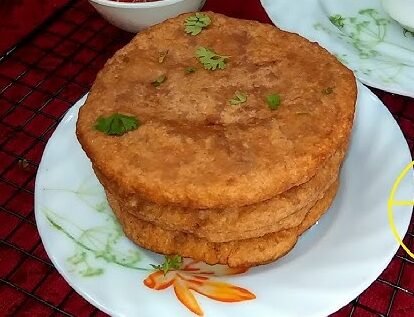
Swala/Swale is more than just a traditional dish from the Garhwal region of Uttarakhand. It is a symbol of culture, community, and heritage passed down through generations. In the hills of Garhwal, food is deeply connected to lifestyle, environment, and traditions, and Swala/Swale stands as a perfect example of this connection. From festive celebrations to everyday meals, this simple yet meaningful dish reflects the essence of Garhwali food culture in many ways.
Food in the Garhwal region is not just about satisfying hunger; it is about preserving identity and maintaining a connection with nature. Swala/Swale holds a special place in this tradition because it represents both simplicity and emotional value. Even today, as modern lifestyles change eating habits, this dish remains relevant and cherished.
The Roots of Swala/Swale in Garhwal
Origin in Mountain Life
Garhwali cuisine is known for its simplicity and reliance on locally available ingredients. The mountainous terrain and climatic conditions have shaped the food habits of the people, encouraging them to use grains, pulses, and seasonal produce that can be easily grown in the region.
Due to limited accessibility in hilly areas, people historically depended on what they could cultivate themselves. This led to the creation of dishes like Swala/Swale, which are both practical and nutritious. The dish reflects how communities adapted their food habits based on geography and climate.
Traditional Ingredients Used
Traditionally, Swala/Swale is made using simple ingredients like wheat flour, jaggery, and sometimes fennel seeds. These ingredients are commonly found in Garhwali households and reflect the importance of self-sufficiency in the hills.
Jaggery, in particular, is valued not only for its sweetness but also for its health benefits. It provides warmth and energy, which is especially important in colder mountain regions. The use of such ingredients highlights the balance between taste and nutrition in Garhwali cooking.
Cultural Importance
The dish is often prepared during special occasions, religious ceremonies, and festivals, making it an important part of cultural practices. It is not just food but a symbol of tradition and continuity, connecting present generations with their ancestors.
A Symbol of Festivity and Celebration
Role in Weddings and Festivals
Swala/Swale is closely linked to celebrations such as weddings, pujas, and local festivals, where food brings people together. It is often included in traditional menus prepared for guests, reflecting its importance in social gatherings.
Family Bonding Through Cooking
Families gather in kitchens to prepare this dish, sharing recipes and traditions across generations. Elders guide younger members, teaching them the correct techniques and proportions. This shared activity strengthens relationships and creates lasting memories.
Meaning Behind Its Sweetness
The sweetness of Swala/Swale symbolises joy, prosperity, and hospitality in Garhwali culture. Serving it to guests is considered a warm and respectful gesture, showing care and appreciation.
Simplicity That Reflects Mountain Life
Easy Preparation
Swala/Swale is simple to prepare and does not require complex cooking skills, making it accessible for all households. This simplicity ensures that the dish can be made even with limited resources.
Adaptation to Environment
Garhwali people have created nutritious and tasty food using limited resources, reflecting their connection to nature. The dish is a perfect example of how necessity leads to creativity in traditional cooking.
Traditional Cooking Methods
It is often deep-fried in iron kadais, which enhances its authentic flavour. These traditional methods not only improve taste but also preserve the original essence of the dish.
Connection to Local Ingredients
Use of Seasonal Produce
The dish relies on locally grown wheat and natural sweeteners like jaggery. Using seasonal and local ingredients ensures freshness and better nutritional value.
Natural Flavours and Spices
Ingredients like fennel seeds and cardamom are added to enhance taste and nutrition. These spices also provide digestive benefits, making the dish both tasty and healthy.
Sustainable Food Practices
Using local ingredients promotes sustainability and reduces dependence on outside resources. This approach aligns with eco-friendly practices that are becoming increasingly important today.
Passing Down Traditions Through Food
Oral Recipe Tradition
Recipes are passed down from one generation to another through experience rather than written instructions. This oral tradition keeps the process alive and personal.
Cultural Learning Through Cooking
Making Swala/Swale helps younger generations connect with their roots and traditions. It becomes a learning experience that goes beyond cooking.
Preserving Identity
This practice ensures that Garhwali food culture continues to thrive. It helps maintain a strong sense of identity even as lifestyles change.
The Role of Swala/Swale in Daily Life
Beyond Festivals
Although popular during celebrations, Swala/Swale is also enjoyed as a snack or treat in daily life. Its versatility makes it suitable for both special and regular occasions.
Nutritional Value
It provides energy, especially for people living in physically demanding mountain environments. The combination of wheat and jaggery makes it both filling and nourishing.
Cultural Identity and Pride
Connection to Roots
For those living away from Garhwal, Swala/Swale brings a sense of home and nostalgia. It helps people stay connected to their heritage even in urban settings.
Sharing Culture
Introducing this dish to others helps spread awareness about Garhwali cuisine. It acts as a bridge between cultures and promotes regional food traditions.
Adapting to Modern Times
Healthier Cooking Methods
Some people now bake instead of frying to make it healthier. This shows how traditional recipes can evolve with changing health preferences.
New Variations
Modern versions include additional ingredients to suit changing tastes. While these variations bring innovation, they still respect the original concept of the dish.
Keeping Traditions Alive
Despite changes, the core identity of Swala/Swale remains unchanged. It continues to represent simplicity, tradition, and community.
The Emotional Value of Swala/Swale
Memories and Nostalgia
The dish is associated with childhood memories and family gatherings. It reminds people of simpler times and close relationships.
Comfort Food
Its aroma and taste create a deep emotional connection. For many, it is more than food—it is a source of comfort and happiness.
Conclusion
Swala/Swale is a true reflection of Garhwali food culture. It represents simplicity, sustainability, and strong community values. From local ingredients to cultural traditions, every aspect of this dish tells a story about life in the Garhwal region.
In a fast-changing world, traditional dishes like Swala/Swale remind us to stay connected to our roots. They teach us the importance of valuing heritage, respecting nature, and maintaining strong community bonds.
Whether enjoyed during festivals or everyday moments, Swala/Swale continues to hold a special place in Garhwali hearts. It is not just a dish but a meaningful expression of culture, tradition, and identity that will continue to be cherished for generations to come.
Leave a Reply