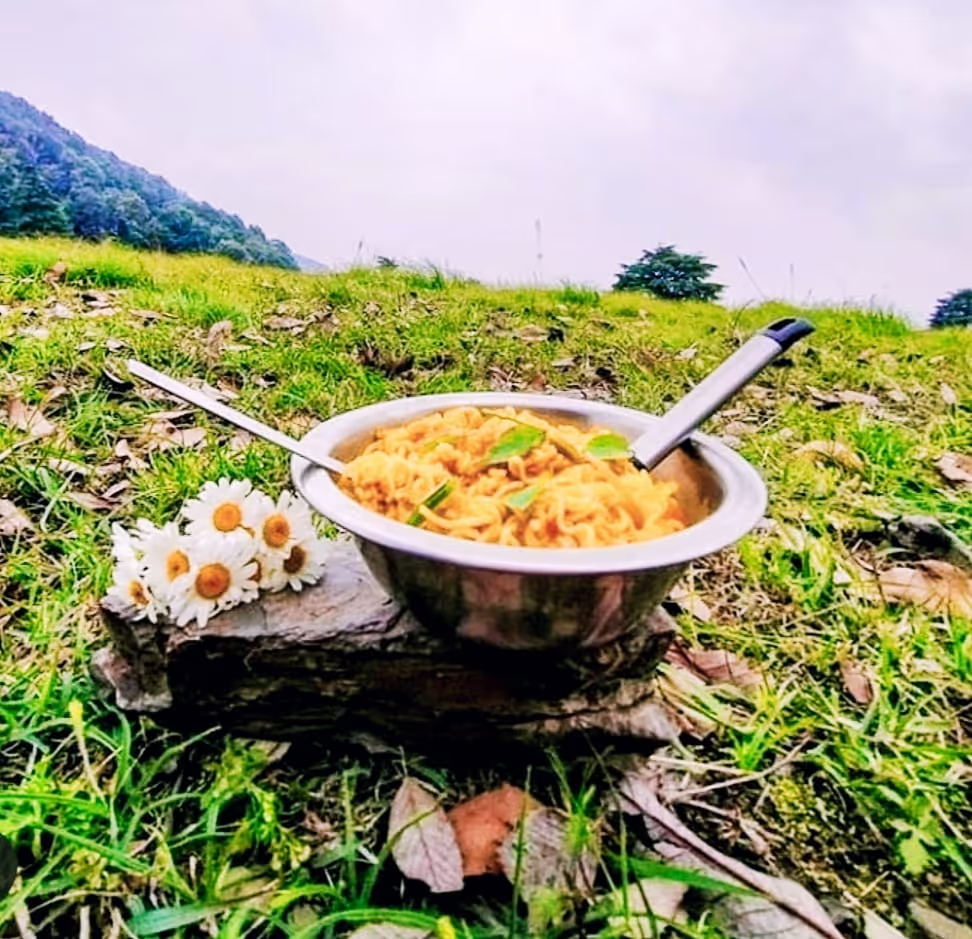
Maggi is more than just instant noodles in India. It is a quick comfort food, a late-night snack, and a favourite among travellers. When you go to the hills, especially in places like Uttarakhand or Himachal, you will find a unique version known as Pahadi style Maggi. This version is simple yet full of flavour, inspired by local ingredients and the charm of mountain street food.
Maggi prepared in the hills has a different taste. It is not only about the ingredients but also about the freshness of the air, the use of local spices, and the rustic way of cooking. In this blog, we will explore how you can recreate this delicious street food inspired Maggi at home and bring a little piece of the mountains into your kitchen.
What Makes Pahadi Style Maggi Special
Pahadi style Maggi stands out because of its simplicity and natural flavours. Unlike restaurant-style noodles that often rely on heavy sauces and processed ingredients, this version focuses on fresh vegetables, basic spices, and a slightly spicy yet balanced taste.
Simple Ingredients, Rich Flavour
One of the key features is the use of locally available ingredients. In the mountains, people use what they have at hand. Common additions include onions, tomatoes, green chillies, and seasonal vegetables such as peas, capsicum, and sometimes even local greens. These ingredients create a fresh and earthy flavour profile that feels both light and satisfying.
Rustic Cooking Style
Another factor that makes it special is the way it is cooked. In hill stations, Maggi is often prepared at small roadside stalls using simple utensils. The cooking is usually done on a low to medium flame, allowing the flavours to develop slowly. This gives the dish a homely and comforting taste that is hard to replicate with rushed cooking.
The Influence of Environment
The environment also plays a role. Eating a hot bowl of Maggi in cool mountain weather, surrounded by scenic views, enhances the experience. While you may not have the same setting at home, the recipe itself carries that comforting essence.
Ingredients You Will Need
To make Maggi Pahadi style at home, you do not need anything fancy. Most ingredients are already available in your kitchen, making this recipe both convenient and affordable.
Basic Ingredients
- 1 packet of Maggi noodles
- 1 finely chopped onion
- 1 chopped tomato
- 1 green chilli (adjust according to taste)
- 1 tablespoon oil or butter
- 1/4 teaspoon turmeric powder
- 1/2 teaspoon red chilli powder
- Salt as needed
- Fresh coriander leaves for garnish
- Water as required
Optional Additions
- Green peas
- Capsicum
- Carrots
- Sweet corn
- Spinach
These optional vegetables enhance both the nutrition and texture of the dish, making it more wholesome.
Step by Step Recipe
Making Pahadi style Maggi is quick and easy, but following the right steps ensures the best taste.
Preparing the Base
Start by heating oil or butter in a pan. Once it is warm, add the chopped onions. Sauté them until they turn light golden. This step is essential as it builds the base flavour of the dish.
Adding Fresh Ingredients
Next, add the green chillies and chopped tomatoes. Cook them until the tomatoes become soft and blend well with the onions. This creates a slightly tangy and spicy base, which is a signature element of Pahadi style Maggi.
Mixing the Spices
Now add turmeric powder and red chilli powder. Stir well and cook for about a minute. This allows the spices to release their aroma and blend with the base.
Cooking the Vegetables
If you are using vegetables like peas, capsicum, or carrots, add them at this stage. Cook them for a few minutes until they are slightly tender but still retain some crunch.
Adding Water and Noodles
Pour in water according to your preference. Typically, one and a half cups of water works well for one packet of Maggi. Bring the mixture to a boil.
Once it starts boiling, add the Maggi noodles along with the tastemaker. Mix gently and allow it to cook for 2 to 3 minutes.
Final Touch
Keep stirring occasionally to prevent the noodles from sticking together. Cook until the noodles are soft and most of the water is absorbed.
Garnish with freshly chopped coriander leaves and serve hot.
Tips to Get Authentic Street Style Taste
If you want your Maggi to taste like the one served in the hills, a few small tips can make a big difference.
Do Not Overcook
The noodles should be soft but not mushy. Overcooking can ruin the texture and overall experience.
Use Fresh Ingredients
Fresh onions, tomatoes, and coriander enhance the natural flavours. Avoid using stale or overly processed ingredients.
Balance the Spices
Pahadi food is known for its balanced flavours. Avoid making it too spicy or oily. A moderate level of spice works best.
Add Butter for Extra Taste
A small piece of butter added at the end can elevate the flavour. Many roadside vendors use butter to give the dish a rich finish.
Cook on Medium Flame
Cooking on a slightly lower flame allows the flavours to blend better, giving a more authentic taste.
Variations You Can Try
One of the best things about Maggi is its versatility. You can customise it based on your taste and preferences.
Cheese Maggi
Add grated cheese on top for a creamy and indulgent version. This is especially popular among younger people.
Vegetable Loaded Maggi
Include more vegetables like spinach, beans, and corn to make the dish healthier and more colourful.
Egg Maggi
Crack an egg into the boiling Maggi and mix it well. This makes the dish more filling and adds protein.
Spiced Maggi
Add a pinch of garam masala or other local spices for a deeper and more complex flavour.
Why People Love Pahadi Style Maggi
There is something truly special about Pahadi style Maggi. It is not just about the taste but also about the emotions and memories associated with it.
A Taste of Travel
For many people, this dish brings back memories of trips to the mountains. Whether it is a roadside stop during a long journey or a quick meal after trekking, Maggi is often part of the experience.
Comfort Food at Its Best
It is warm, simple, and satisfying. Perfect for cold weather or when you need something comforting after a long day.
Quick and Easy
The recipe is easy to follow and takes only a few minutes to prepare, making it ideal for busy schedules.
Loved by All Ages
From children to adults, everyone enjoys a good bowl of Maggi. Its simplicity and flavour make it universally appealing.
Serving Suggestions
Pahadi style Maggi is best enjoyed fresh and hot.
Classic Serving
Serve it in a bowl with a garnish of fresh coriander leaves. This simple presentation keeps it authentic.
With Tea
Pair it with a hot cup of tea, especially during rainy or cold weather. This combination is very popular in hill stations.
As a Snack or Meal
It works well as a quick evening snack or even a light meal when you want something filling but not too heavy.
For Gatherings
If you are hosting friends, prepare a larger batch and offer toppings like cheese, extra vegetables, or spices so everyone can customise their bowl.
Bringing the Hills to Your Home
Even if you cannot travel to the mountains, you can still enjoy their flavours in your own kitchen. Pahadi style Maggi is a reminder that good food does not need to be complicated.
Cooking this dish can be a fun and relaxing experience. The aroma of sautéed onions, spices, and fresh coriander can instantly lift your mood and create a cosy atmosphere at home.
It also allows you to experiment and personalise the recipe according to your taste, making it even more enjoyable.
Conclusion
Maggi Pahadi style is a perfect example of how a simple dish can be transformed into something special with just a few thoughtful additions. Inspired by the street food culture of the hills, this recipe is easy to make, budget-friendly, and full of flavour.
Whether you are craving a warm meal on a rainy day or looking for a quick snack, this version of Maggi is a great choice. Try it at home and enjoy a comforting taste of the mountains in every bite.
Leave a Reply