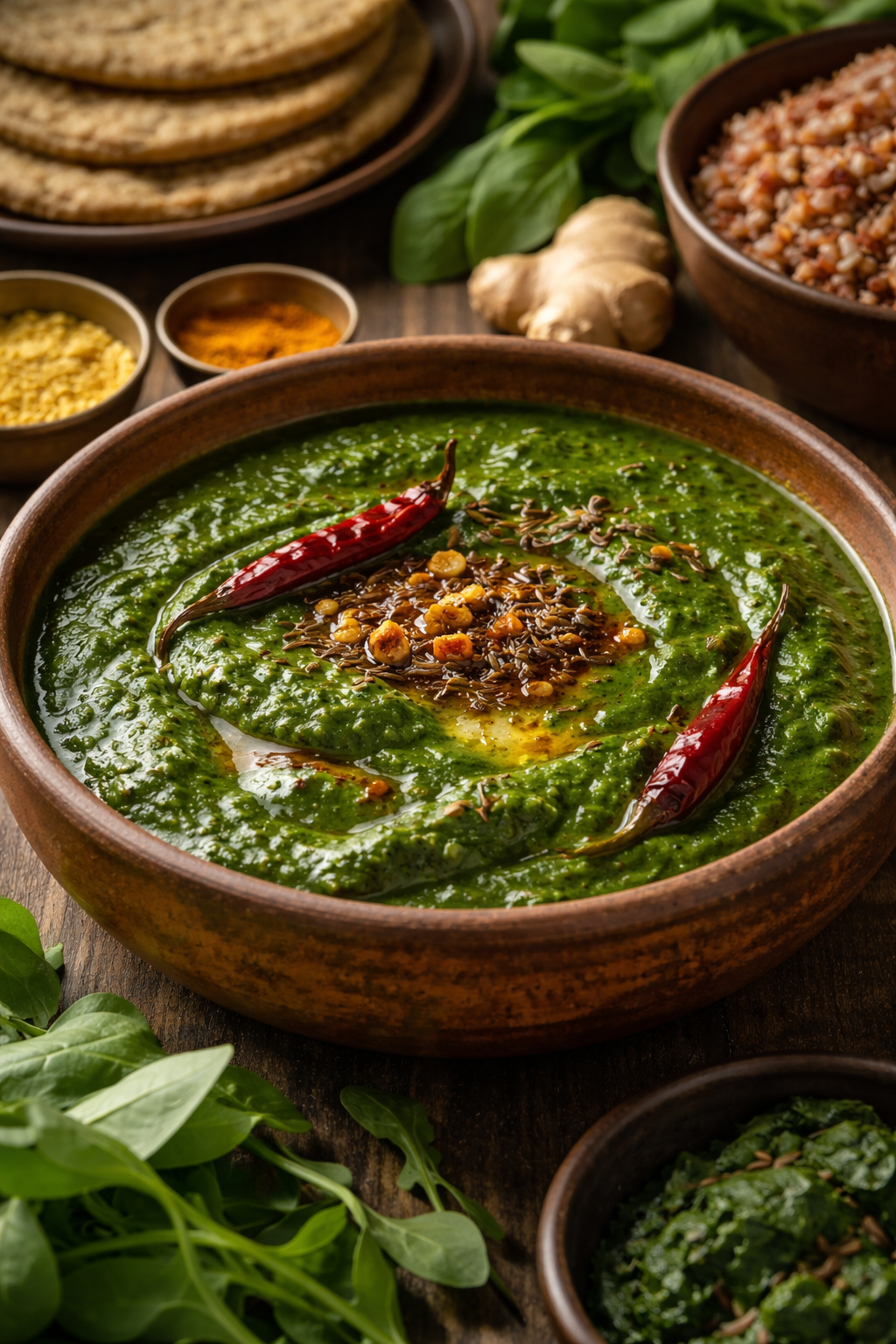
Kafuli is one of the most loved traditional dishes from the hills of Uttarakhand. Simple, nutritious, and deeply rooted in local culture, kafuli has earned its place as a staple food in Pahadi homes. The keyword kafuli is not just about a recipe, it represents tradition, sustainability, and a healthy way of living. Over the years, this humble green curry has become an everyday meal for many families living in the mountainous regions.
In this blog, we will explore why kafuli became such an important part of daily life in Uttarakhand and how it continues to hold its place even in modern times.
The Origin of Kafuli in Pahadi Culture
Kafuli has its roots in the rural villages of Uttarakhand, where life has always been closely connected to nature. Due to the challenging terrain and limited access to markets, people traditionally relied on homegrown food.
A Dish Born from Necessity
In earlier times, transporting goods to remote villages was difficult. This meant that families had to depend on what they could grow locally. Green leafy vegetables such as spinach and fenugreek were among the easiest crops to cultivate.
Kafuli was developed as a practical solution to make the most of these ingredients. It required very few additional items and could be prepared quickly, making it perfect for everyday meals.
Influence of Local Lifestyle
Life in the hills involves physical labour such as farming, walking long distances, and managing daily chores without modern conveniences. Food needed to be both nourishing and easy to prepare. Kafuli met both these requirements, which helped it become a regular part of the diet.
Availability of Ingredients in the Hills
One of the biggest reasons kafuli became a staple food is the easy availability of its ingredients.
Locally Grown Greens
In Pahadi regions, households often maintain small kitchen gardens. Spinach and fenugreek grow well in the local climate and require minimal care. These greens are available for most of the year, making them a reliable source of nutrition.
Since kafuli is primarily made using these leafy vegetables, it naturally became a convenient choice for families.
Minimal Dependence on External Supplies
Unlike many other dishes that require multiple spices or special ingredients, kafuli uses basic items that are commonly found in every household. This reduced dependence on markets made it a sustainable and practical option.
Simplicity and Easy Cooking Process
Another important factor behind the popularity of kafuli is its simplicity.
Basic Ingredients and Techniques
Kafuli does not require complex cooking methods. The recipe mainly includes leafy greens, garlic, green chillies, and a small amount of flour or rice paste to thicken the curry.
The greens are cooked, blended, and then lightly tempered with spices. This straightforward process makes it easy to prepare even for beginners.
Suitable for Daily Cooking
In the hills, where people often have busy routines, meals need to be quick yet satisfying. Kafuli fits perfectly into this lifestyle. It can be prepared without spending too much time in the kitchen while still providing a wholesome meal.
Nutritional Value and Health Benefits
Kafuli is not just simple and tasty, it is also highly nutritious.
Rich in Essential Nutrients
The leafy greens used in kafuli are packed with iron, calcium, vitamins, and antioxidants. These nutrients are essential for maintaining overall health, especially in regions where access to a wide variety of foods may be limited.
Supports Physical Strength
Given the physically demanding lifestyle in the hills, people require food that provides energy and strength. Kafuli offers a balanced combination of nutrients that help support daily activities.
Easy to Digest
Kafuli is light on the stomach and easy to digest. The use of minimal oil and spices makes it suitable for people of all age groups, including children and the elderly.
Role of Tradition and Family Practices
Food in Pahadi culture is deeply connected to tradition, and kafuli is a perfect example of this connection.
Passing Down Recipes
In many households, the recipe for kafuli is passed down from one generation to another. Mothers and grandmothers teach younger family members how to prepare the dish using traditional methods.
This practice helps preserve the authenticity of kafuli and ensures that its unique taste remains unchanged over time.
Cultural Identity
Kafuli is more than just food, it is a symbol of identity for people from Uttarakhand. Preparing and eating this dish keeps them connected to their roots and traditions.
Seasonal Importance of Kafuli
The weather in the hills plays a significant role in shaping food habits.
Ideal for Cold Weather
During winters, people prefer warm and comforting meals. Kafuli, with its thick consistency and warm serving style, provides both comfort and nourishment.
Strengthens the Body
The nutrients in leafy greens help boost immunity, which is especially important during cold seasons. This makes kafuli a preferred choice during winter months.
Sustainability and Eco Friendly Living
Kafuli reflects the sustainable lifestyle of Pahadi communities.
Use of Local Resources
The dish relies entirely on locally grown ingredients, reducing the need for transportation and external resources. This makes it environmentally friendly.
Low Waste Cooking
Kafuli uses simple ingredients with minimal wastage. The cooking process is efficient and does not require excessive fuel or energy.
A Lesson for Modern Living
In today’s world, where sustainability is becoming increasingly important, kafuli serves as an example of how traditional food practices can support eco friendly living.
Adaptability in Modern Times
Despite changes in lifestyle and urbanisation, kafuli has managed to remain relevant.
Popular Among Urban Families
Many people from Uttarakhand who now live in cities continue to cook kafuli at home. It helps them stay connected to their culture and maintain a healthy diet.
Modern Variations
While the traditional recipe remains popular, some people experiment with variations by adding different greens or adjusting the spices. These adaptations make kafuli more accessible to a wider audience.
Growing Awareness of Healthy Eating
With increasing awareness about the benefits of natural and home cooked food, dishes like kafuli are gaining popularity again. People are recognising the value of simple, nutritious meals.
Emotional Connection with Kafuli
Food often carries emotional significance, and kafuli is no exception.
Memories of Home
For many individuals, kafuli brings back memories of childhood, family meals, and life in the hills. The taste and aroma of the dish create a strong sense of nostalgia.
Comfort and Familiarity
Even in unfamiliar places, cooking or eating kafuli can provide a sense of comfort. It reminds people of their roots and offers a feeling of belonging.
Growing Popularity Beyond Uttarakhand
In recent years, regional cuisines have gained attention across India, and kafuli is no exception.
Interest from Travellers
Tourists visiting Uttarakhand often try local dishes, and kafuli stands out for its unique taste and simplicity. Many visitors appreciate its health benefits and comforting flavour.
Presence in Food Blogs and Restaurants
Food bloggers and chefs are now showcasing traditional recipes like kafuli to a wider audience. Some restaurants have also started including it in their menus, helping it reach people beyond its native region.
A Rising Superfood
With its rich nutritional profile, kafuli is slowly being recognised as a healthy food option. It fits well into modern diets that focus on natural and plant-based ingredients.
Best Ways to Enjoy Kafuli
Kafuli is versatile and can be enjoyed in different ways.
With Steamed Rice
The most traditional way to eat kafuli is with hot steamed rice. The combination is simple yet satisfying.
With Traditional Breads
It can also be served with chapati or mandua roti for a more authentic Pahadi experience.
With a Touch of Ghee
Adding a small amount of ghee enhances the flavour and gives the dish a rich finish.
Conclusion
Kafuli became a staple food in Pahadi homes because of its simplicity, nutritional value, and strong connection to local culture. The easy availability of ingredients, quick preparation, and health benefits made it an ideal choice for daily meals.
At the same time, traditions and emotional bonds helped preserve its importance across generations. Even today, kafuli continues to represent the essence of Pahadi living, where food is not just about taste but also about health, sustainability, and cultural identity.
As more people begin to appreciate traditional recipes, kafuli is gaining recognition beyond Uttarakhand. Yet, its true charm remains in the homes of the hills, where it continues to be a cherished and comforting dish.
Leave a Reply