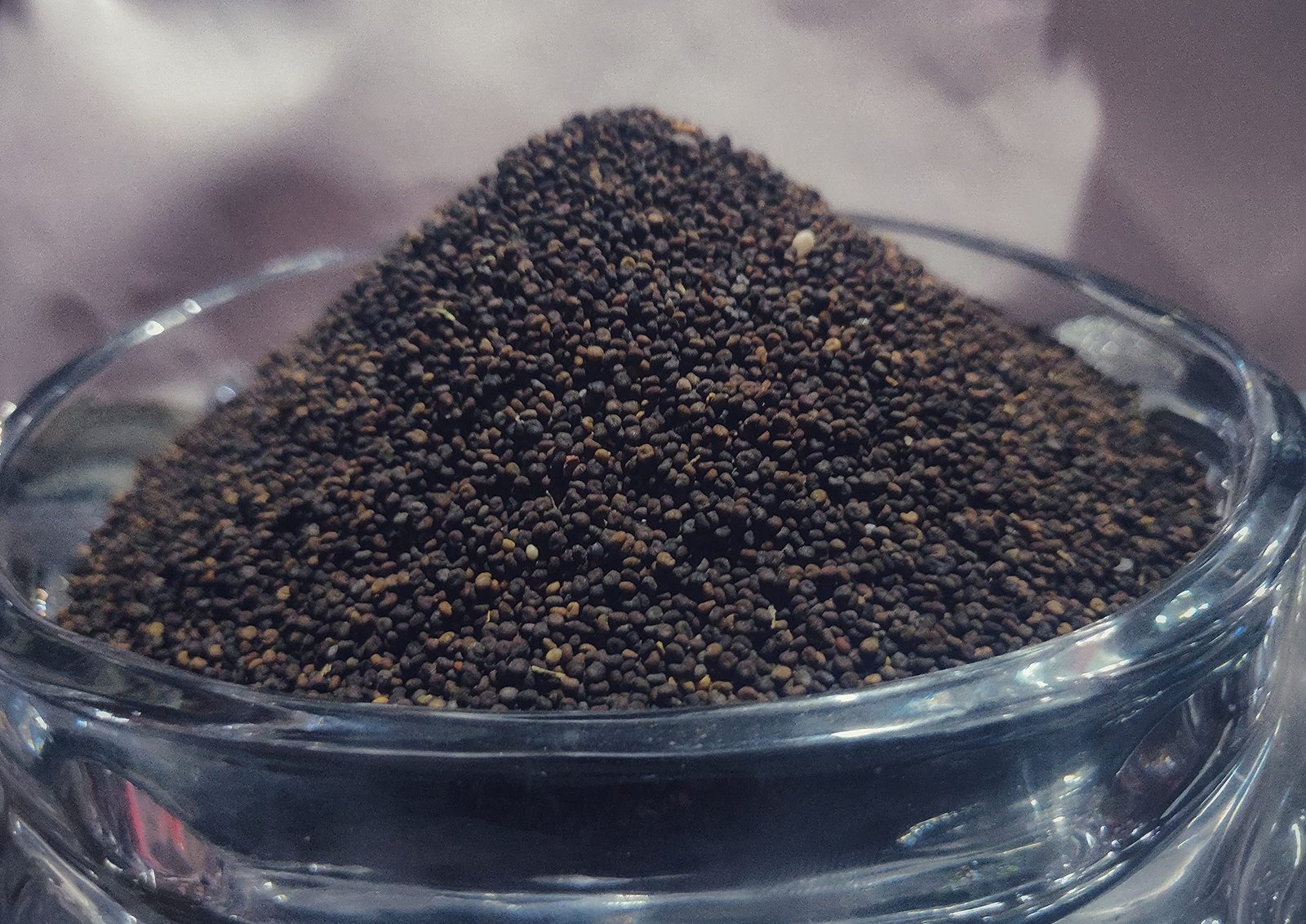
Jakhya is a lesser-known yet highly flavourful spice that holds a special place in the traditional cuisine of Uttarakhand. If you have ever tasted authentic Pahadi food, you may have noticed a distinct nutty aroma and slightly crunchy texture in certain dishes. That unique flavour often comes from jakhya. Though small in size, this spice plays a big role in enhancing the taste of simple meals.
Food in the hill regions is deeply connected to local ingredients and traditional cooking methods. Jakhya perfectly represents this connection. It is not just used for flavour but also reflects the simplicity and resourcefulness of Pahadi cooking.
In this blog, we will explore everything you need to know about jakhya, including its origin, uses, benefits, and why it deserves a place in your kitchen.
What Is Jakhya?
Origin and Definition
Jakhya refers to tiny brown seeds that are commonly used as a tempering spice in the hill regions of North India, especially Uttarakhand. These seeds come from a wild plant known as Cleome viscosa. They are often compared to mustard seeds because of their similar appearance and cooking style, but jakhya has its own unique flavour and aroma.
The plant grows naturally in hilly areas and does not require intensive farming, which makes it easily accessible to local communities. This natural availability has contributed to its long-standing use in traditional cooking.
Appearance and Characteristics
The seeds are very small, slightly rough in texture, and brown in colour. Despite their size, they are packed with flavour. When heated, they release a pleasant aroma that immediately enhances the appeal of any dish.
Their ability to transform simple recipes into something special is what makes jakhya such a valued ingredient in Pahadi kitchens.
Origin and Cultural Importance
Deep Roots in Tradition
Jakhya has been used for generations in the traditional cooking of Uttarakhand. It is not just a spice but a part of the region’s culinary identity. In many households, jakhya is used almost daily, especially in vegetable preparations.
The reliance on local ingredients like jakhya comes from the geographical conditions of the hills, where people historically depended on what was available around them.
Symbol of Authentic Cuisine
Over time, jakhya has become a symbol of authentic Pahadi cuisine. It is often associated with home-cooked meals and traditional recipes that have been passed down through generations.
For many people, the aroma of jakhya instantly reminds them of their homes and childhood memories.
Taste and Aroma
Unique Flavour Profile
One of the most appealing features of jakhya is its distinctive taste and aroma. It has a mild bitterness combined with a nutty flavour, which becomes more pronounced when the seeds are roasted or tempered in oil.
Enhancing Simple Dishes
The aroma released during cooking is rich and inviting, making dishes more appetising. Unlike strong spices that can overpower a dish, jakhya enhances the overall flavour while maintaining balance.
This makes it ideal for simple recipes where the focus is on natural taste rather than heavy seasoning.
How Jakhya Is Used in Cooking
Tempering Technique
Jakhya is primarily used for tempering, also known as tadka. It is added to hot oil or ghee at the beginning of cooking. As the seeds start to crackle, they release their flavour, which spreads evenly throughout the dish.
Common Uses
It is widely used in vegetable dishes such as potatoes, leafy greens, and seasonal vegetables. The spice pairs especially well with ingredients that have a mild taste, as it adds depth without overpowering them.
Jakhya is also used in dals and occasionally in chutneys. Its versatility allows it to be used in both everyday meals and special dishes.
Popular Dishes Made with Jakhya
Aloo Ke Gutke
One of the most popular dishes made with jakhya is aloo ke gutke. This dish involves boiled potatoes sautéed with spices and jakhya, resulting in a flavourful and aromatic preparation.
Green Vegetable Dishes
Jakhya is often used in dishes made with spinach, fenugreek leaves, or other green vegetables. It enhances the taste while adding a slight crunch.
Lentil Preparations
In simple dal recipes, jakhya adds a unique flavour that makes the dish more interesting without making it heavy.
Health Benefits of Jakhya
Digestive Support
Jakhya is believed to aid digestion, which makes it a useful ingredient in meals that are rich or heavy. It helps balance the overall meal and improves digestibility.
Antioxidant Properties
The seeds may contain natural compounds that have antioxidant properties. These help protect the body from damage caused by free radicals.
Overall Wellbeing
While jakhya is used in small quantities, its natural benefits can contribute to overall health when included regularly in meals.
Jakhya vs Mustard Seeds
Differences in Taste
Jakhya is often compared to mustard seeds, but the two are quite different in flavour. Mustard seeds have a strong and pungent taste, while jakhya offers a milder, nuttier profile.
Cooking Style
Both are used for tempering, but jakhya is more commonly associated with Pahadi cuisine. Its subtle flavour makes it suitable for dishes where a balanced taste is preferred.
Unique Identity
Jakhya stands out because of its distinct aroma and texture, making it a unique ingredient rather than just an alternative to mustard seeds.
How to Store Jakhya
Proper Storage Methods
To maintain its freshness, jakhya should be stored in an airtight container. It should be kept in a cool and dry place, away from moisture and sunlight.
Shelf Life
When stored properly, jakhya can last for several months while retaining its flavour and aroma. However, using it within a reasonable time ensures the best results.
Tips for Cooking with Jakhya
Use the Right Temperature
Always add jakhya to hot oil or ghee to release its flavour. If the oil is not hot enough, the seeds may not crackle properly.
Avoid Burning
Be careful not to burn the seeds, as this can result in a bitter taste. A few seconds of tempering is usually enough.
Use in Moderation
Jakhya is strong in flavour, so it should be used in small quantities. Even a small amount can make a noticeable difference in taste.
Experiment with Recipes
Trying jakhya in different dishes can help you understand its versatility. It works well with both traditional and modern recipes.
Why You Should Try Jakhya
Unique Culinary Experience
Jakhya offers a flavour that is different from commonly used spices. It brings authenticity and depth to your cooking.
Connection to Tradition
Using jakhya allows you to explore regional cuisine and connect with traditional food practices.
Suitable for All Levels
Whether you are a beginner or an experienced cook, Jakhya is easy to use and can enhance your dishes without much effort.
Growing Popularity of Jakhya
Increasing Demand
Although traditionally limited to Uttarakhand, jakhya is now gaining popularity in other parts of India.
Modern Usage
Chefs and food enthusiasts are incorporating it into new recipes, giving it a modern twist while preserving its traditional value.
Rediscovery of Regional Foods
The rising interest in regional and local foods has played a major role in bringing jakhya into the spotlight.
Conclusion
Jakhya may be a small and simple spice, but it has a powerful impact on the taste and aroma of food. From its origins in the hills of Uttarakhand to its role in traditional recipes, it represents a rich culinary heritage.
Its unique flavour, ease of use, and potential health benefits make it a valuable addition to any kitchen. Whether you are preparing a simple vegetable dish or experimenting with new recipes, jakhya can add a distinctive touch that enhances your cooking.
By including jakhya in your meals, you not only improve flavour but also connect with a tradition that has been cherished for generations. It is a perfect example of how small ingredients can make a big difference in food.
Leave a Reply