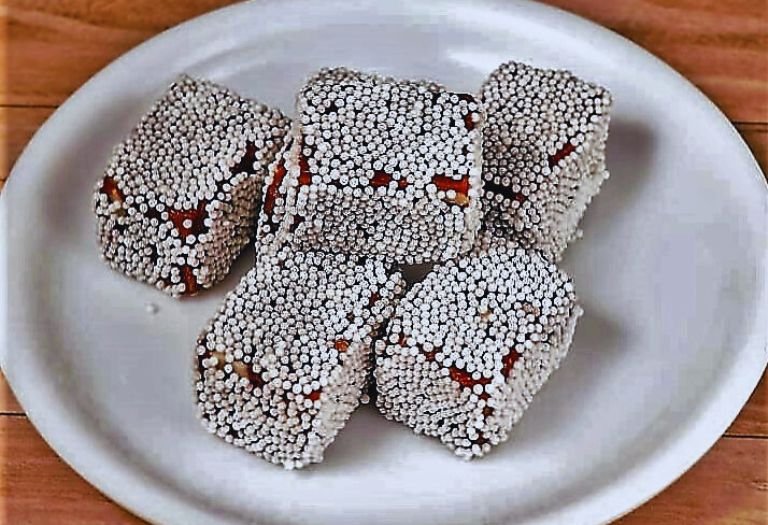
Bal mithai is one of the most iconic traditional sweets from the hill state of Uttarakhand. Known for its rich taste, deep brown colour, and distinctive coating of tiny sugar balls, this unique dessert has earned a special place in Indian cuisine. Unlike many other sweets, bal mithai stands out for both its flavour and texture, offering a delightful experience in every bite.
Over the years, this humble sweet from the hills has travelled far beyond its place of origin, winning the hearts of people across the country. In this blog, we explore the origin, preparation, cultural significance, and growing popularity of bal mithai, along with the reasons why it continues to be cherished across generations.
The Origin of Bal Mithai
The story of Bal Mithai begins in the Kumaon region of Uttarakhand, especially in the historic town of Almora. This region is known for its rich culinary traditions, and bal mithai is one of its most celebrated contributions.
A Sweet with a Century-Old Legacy
Bal mithai is believed to have been created over a hundred years ago. Local halwais experimented with khoya based sweets and developed a recipe that was both simple and distinctive. The idea of slow-roasting khoya until it turned chocolate brown and then coating it with sugar balls gave birth to this now-famous delicacy.
From Local Treat to Regional Pride
Initially, bal mithai was enjoyed within local communities, often prepared during festivals and special occasions. As travellers began visiting Uttarakhand, especially Almora, they discovered this sweet and started carrying it back home. This helped bal mithai gain recognition outside the hills and become a symbol of Kumaoni identity.
What Makes Bal Mithai Unique
Bal mithai is not just another Indian sweet. Its uniqueness lies in its preparation, taste, and appearance.
Distinctive Ingredients
The main ingredient of bal mithai is khoya, which is made by slowly reducing milk until it thickens. This khoya is then roasted until it develops a rich brown colour and deep caramel flavour.
Texture and Taste
The texture of bal mithai is one of its defining features. It has:
- A soft and dense inner layer
- A slightly crunchy outer coating of sugar balls
This contrast creates a satisfying bite that is both rich and balanced.
Balanced Sweetness
Unlike syrup-soaked sweets, bal mithai does not feel overly sugary. Its sweetness is mild and well-balanced, making it enjoyable for a wide range of tastes.
Traditional Preparation Methods
The preparation of bal mithai is an art that requires patience and skill. Traditional methods are still followed in many parts of Uttarakhand.
Slow Cooking Process
The khoya is cooked on low heat for a long time, with constant stirring. This process ensures:
- Even cooking
- Prevention of burning
- Development of the characteristic flavour
Handcrafted Perfection
Once the khoya reaches the desired consistency, it is spread onto trays and allowed to cool. It is then cut into small cubes and coated with sugar balls by hand. This manual process gives each piece a unique touch.
Generational Knowledge
The techniques used to make bal mithai have been passed down through generations. This ensures that the authentic taste and quality remain intact even today.
Cultural Importance in Uttarakhand
Bal mithai is deeply connected to the culture and traditions of Uttarakhand.
A Sweet for Celebrations
It is commonly prepared and shared during:
- Festivals
- Weddings
- Family gatherings
Offering bal mithai to guests is seen as a gesture of warmth and hospitality.
Emotional and Cultural Value
For many people from Uttarakhand, bal mithai is more than just a dessert. It represents memories of home, childhood, and celebrations. It is often sent to relatives and friends living in other parts of the country as a symbol of love and connection.
How Bal Mithai Gained Popularity
The journey of bal mithai from a regional sweet to a widely recognised delicacy is quite fascinating.
Role of Tourism
Tourism played a major role in spreading the popularity of bal mithai. Visitors to Uttarakhand, especially Almora, would taste this sweet and take it back as a souvenir.
Word of Mouth and Tradition
As more people experienced its unique taste, word spread naturally. Families began introducing it to others during festivals and gatherings, increasing its reach.
Influence of Digital Media
In recent years, food blogs, social media platforms, and online reviews have further boosted its popularity. People are now more interested in exploring regional and traditional foods, bringing bal mithai into the spotlight.
Bal Mithai in Modern Times
While bal mithai remains rooted in tradition, it has also adapted to modern lifestyles.
Improved Packaging
Today, bal mithai is available in hygienic and travel-friendly packaging, making it easier to store and transport.
Wider Availability
It is no longer limited to Uttarakhand. Many sweet shops across India now offer bal mithai, and it can also be ordered online.
Experimentation with Variations
Some sweet makers have started experimenting with flavours and textures. However, the traditional version continues to be the most popular and widely loved.
Why People Love Bal Mithai
Bal mithai continues to be a favourite for several reasons.
Unique Flavour Profile
Its caramel-like taste, combined with the crunch of sugar balls makes it stand out among Indian sweets.
Handmade Authenticity
Each piece of bal mithai reflects the effort and craftsmanship of the maker. This handmade quality adds to its charm.
Nostalgic Value
For many, eating bal mithai brings back fond memories of the hills, family gatherings, and festive celebrations.
Challenges and Preservation
Despite its popularity, bal mithai faces certain challenges in the modern world.
Competition from Packaged Sweets
With the rise of mass-produced sweets and chocolates, traditional items like bal mithai sometimes struggle to compete.
Changing Food Preferences
Younger generations are often drawn towards modern desserts, which can impact the demand for traditional sweets.
Efforts to Preserve Tradition
There is a growing awareness about preserving traditional foods. Local producers and food enthusiasts are working to:
- Promote bal mithai as a heritage sweet
- Support local sweet makers
- Encourage the use of traditional methods
These efforts are helping ensure that bal mithai continues to thrive.
How to Enjoy Bal Mithai
Bal mithai is a versatile sweet that can be enjoyed in different ways.
Perfect for Any Occasion
You can enjoy it:
- As a dessert after meals
- With tea or coffee
- During festivals and celebrations
Best When Fresh
If you ever visit Uttarakhand, especially Almora, tasting freshly made bal mithai from a local shop is an experience worth having. The freshness enhances its flavour and texture.
Trying It at Home
Although it requires patience, making bal mithai at home can be a rewarding experience. It allows you to understand the effort and skill involved in creating this traditional sweet.
The Growing Future of Bal Mithai
With increasing interest in regional and traditional foods, bal mithai is gaining more recognition than ever before.
Rising Demand for Authentic Foods
People today are looking for authentic and natural food options, which is helping traditional sweets regain their popularity.
Promoting Local Heritage
Bal mithai is not just a dessert but also a representation of Uttarakhand’s cultural heritage. Promoting it helps preserve local traditions and support small businesses.
Conclusion
Bal mithai has come a long way from its humble beginnings in the hills of Uttarakhand to becoming a beloved sweet across India. Its journey reflects the beauty of tradition, craftsmanship, and cultural pride.
With its rich flavour, unique texture, and deep cultural significance, bal mithai continues to capture the hearts of those who try it. It is more than just a dessert. It is a symbol of heritage, celebration, and the timeless charm of traditional Indian sweets.
As awareness about regional cuisines continues to grow, bal mithai is set to gain even more appreciation. By enjoying and supporting such traditional delicacies, we help keep an important part of our culinary heritage alive for future generations.
Leave a Reply